What Keeps Coffee Fresh in the Bag
Roasted coffee goes stale through oxygen, moisture and light. The barrier layer in the wall of the bag decides how well it is protected.
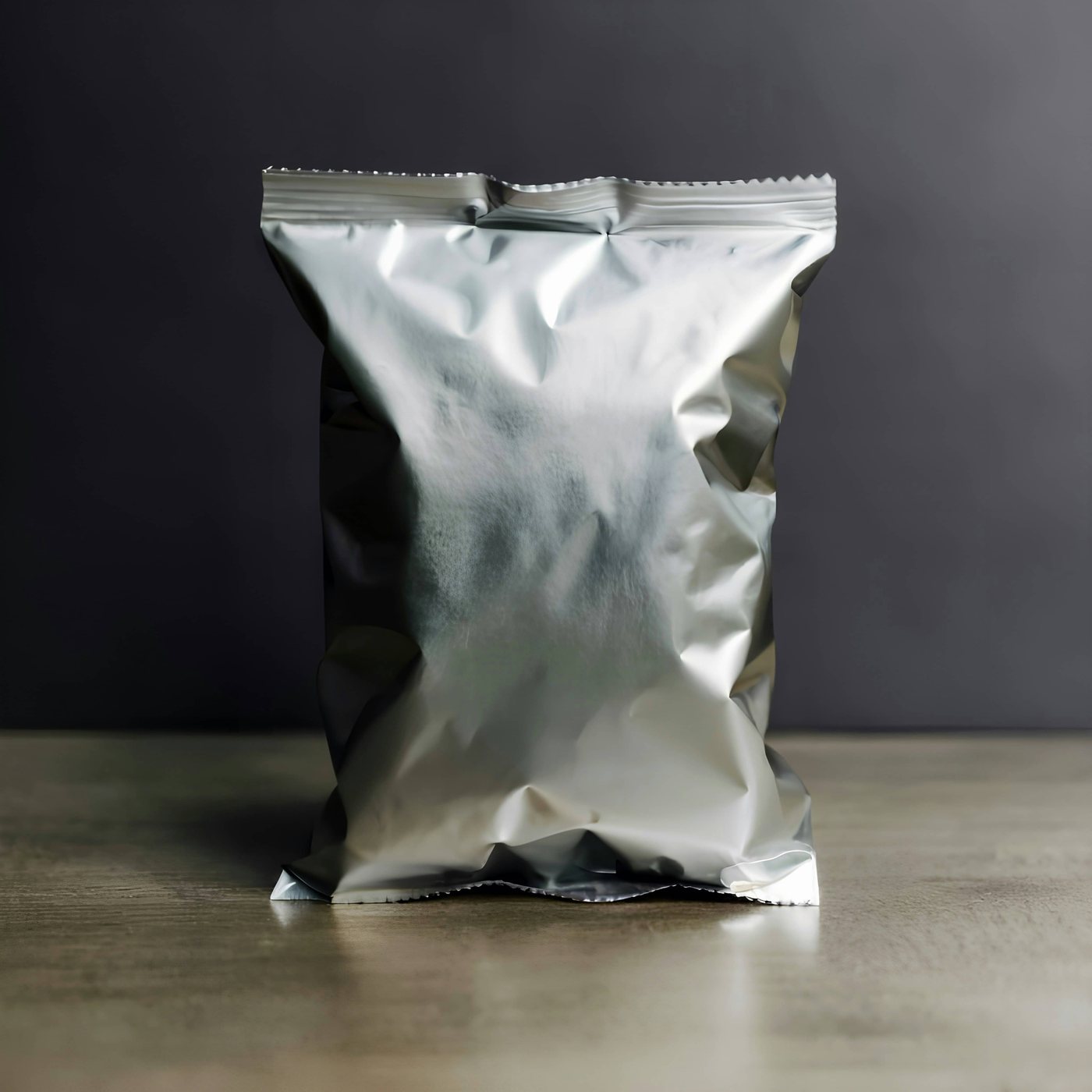
How a coffee bag is built
The wall of a coffee bag is a laminate of two to four layers. The outer layer carries the print, the middle layer is the barrier, and the inner layer seals the bag.
The barrier options
- Aluminium foilThe highest barrier to oxygen, moisture and light
- Metallised filmLighter and more flexible than foil, with a lower barrier
- Kraft paper laminateA paper surface outside with a barrier layer inside
- Mono-material PERecyclable with PE film, with a medium to high barrier
How to choose
Start from the shelf life you need and the way the coffee is sold. Coffee that waits in a warehouse or travels by sea needs more protection than coffee roasted to order and used within weeks.
The look matters too. Foil and metallised film give a smooth surface, and kraft paper gives a natural one.
About thickness
A thicker bag is not a fresher bag: the protection comes from the barrier layer, not from the total thickness. Thickness is chosen for the size of the bag and how it is handled. Most coffee pouches are between 100 and 160 μm.
More articles
All guides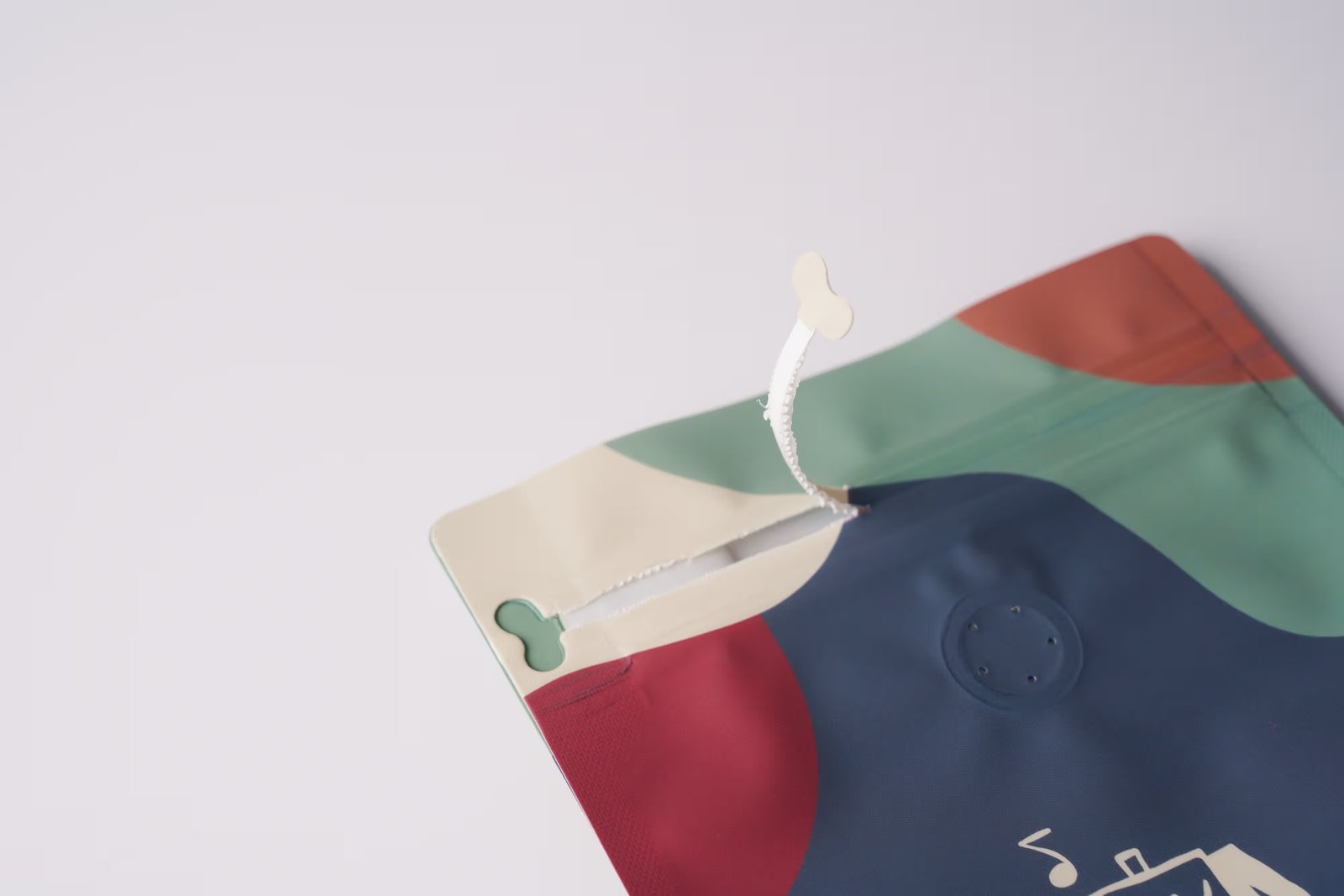
Zipper, Tin Tie or Heat Seal?
How a coffee bag is opened the first time and how well it closes after that.
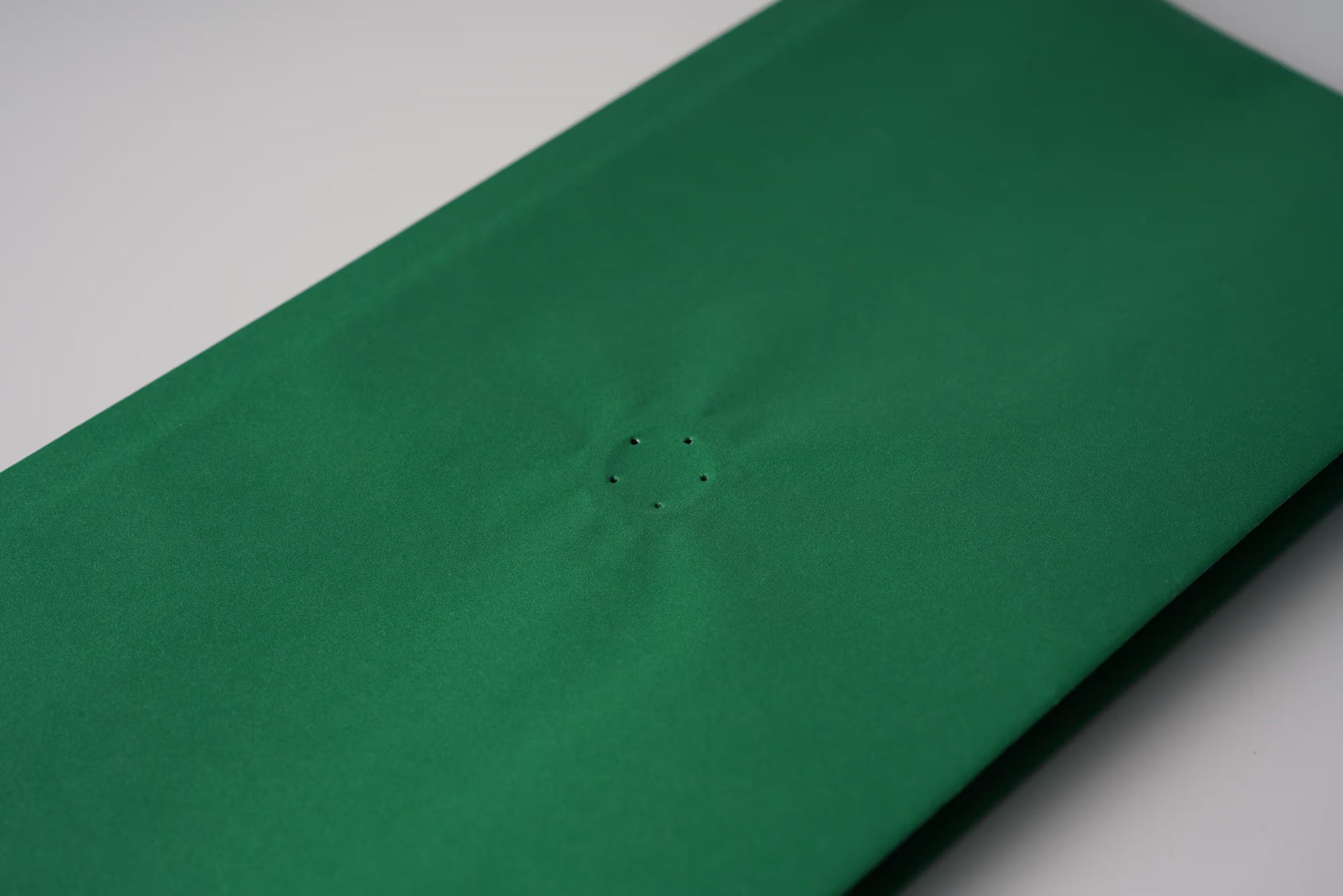
What a Degassing Valve Does
Why freshly roasted coffee needs a way to release gas, and when a valve is not needed.
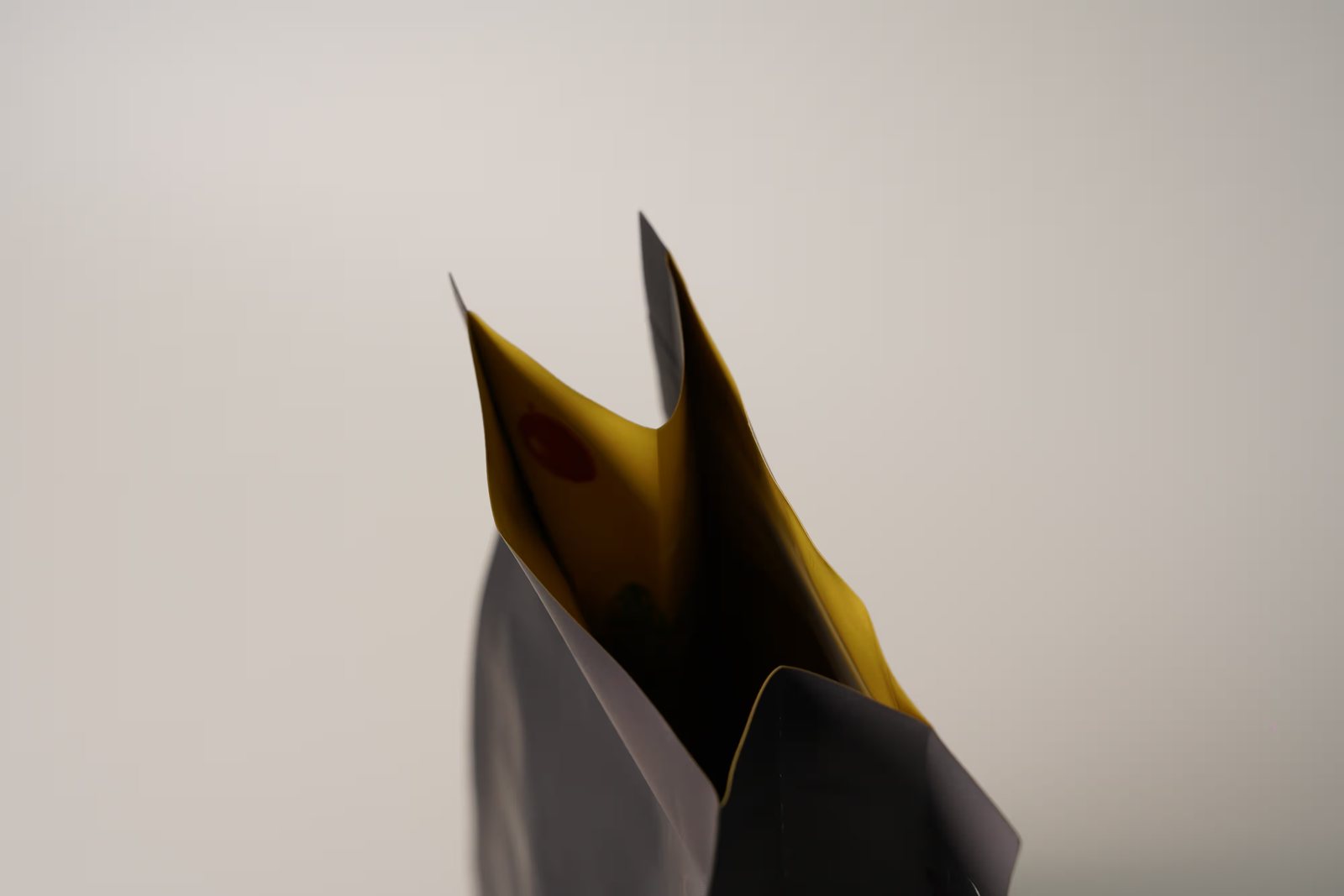
Flat Bottom or Side Gusset?
Two common coffee bag shapes compared: how they stand, what you can print and what they cost.
Tell us about
your coffee bag
Send us the bag style, size and quantity you have in mind. We will help you with material and printing options and prepare a quotation.