What a Degassing Valve Does
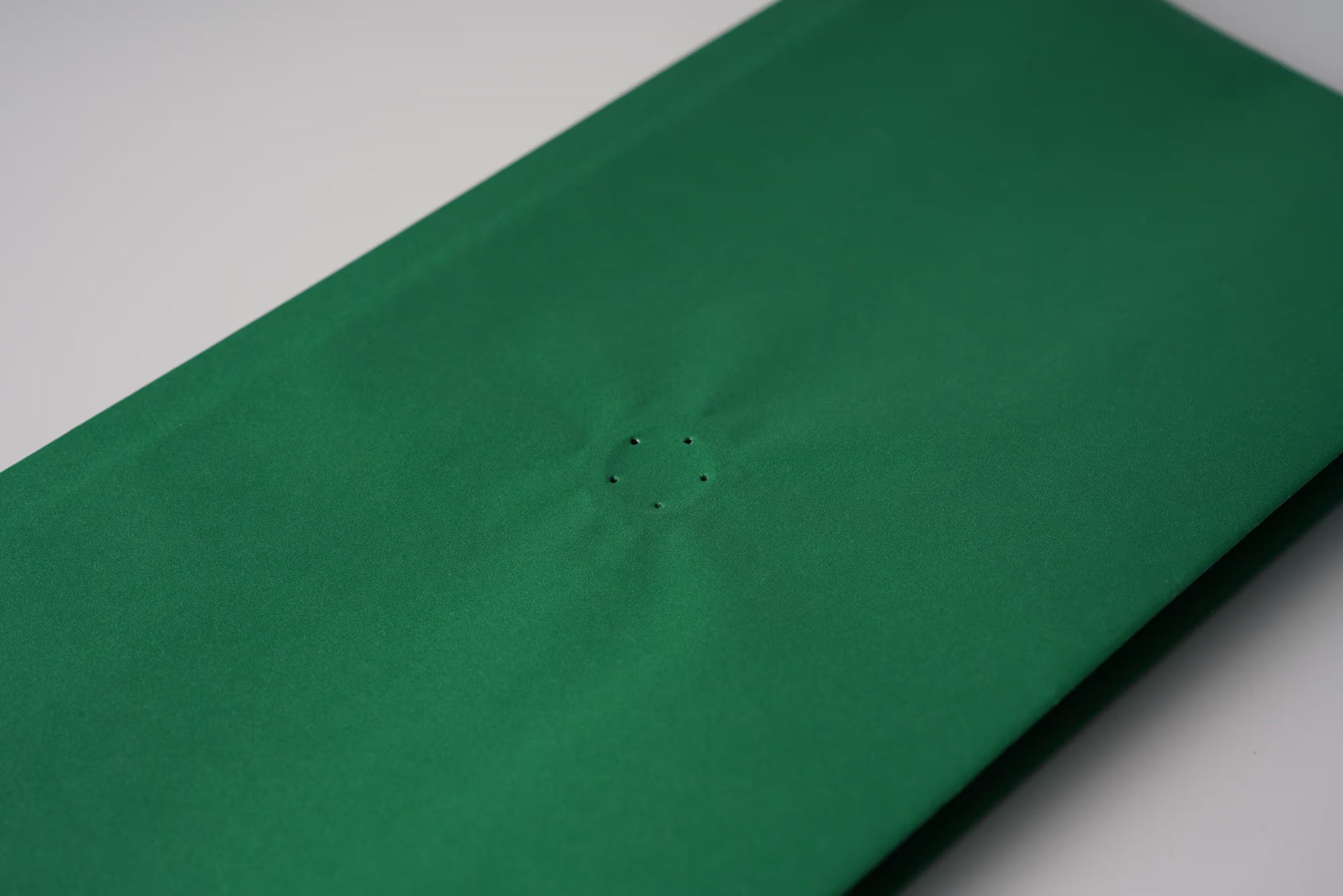
Freshly roasted coffee keeps releasing gas for days after it is packed. A one-way valve lets the gas out without letting air in.
Why coffee releases gas
Roasting forms carbon dioxide inside the bean. Much of it leaves in the first days after roasting and the rest over the following weeks. Ground coffee releases it far faster than whole beans.
In a sealed bag without a valve the gas has nowhere to go. The bag swells, and in the worst case a seal opens.
How the valve works
The valve is a small disc welded into the wall of the bag. Pressure from inside lifts a membrane and the gas escapes. When the pressure drops the membrane closes again, so outside air stays out.
It works in one direction only. That is the difference between a valve and a simple vent hole.
When you need one
- Whole beans packed soon after roastingYes. This is what the valve is made for
- Ground coffee rested before packingOften not needed, because most of the gas has already left
- Drip bags and stick packsNo. The portion is small and the sachet is sealed flat
- Cold brew and other liquidsNo
Where it goes on the bag
On the front or back panel, in the upper part of the bag and clear of the zipper and the seals. It can be fitted to flat bottom, stand up, side gusset and quad seal bags.
Leave the area around the valve free of small text in your artwork: the disc covers a circle of about 20 mm.
More articles
All guides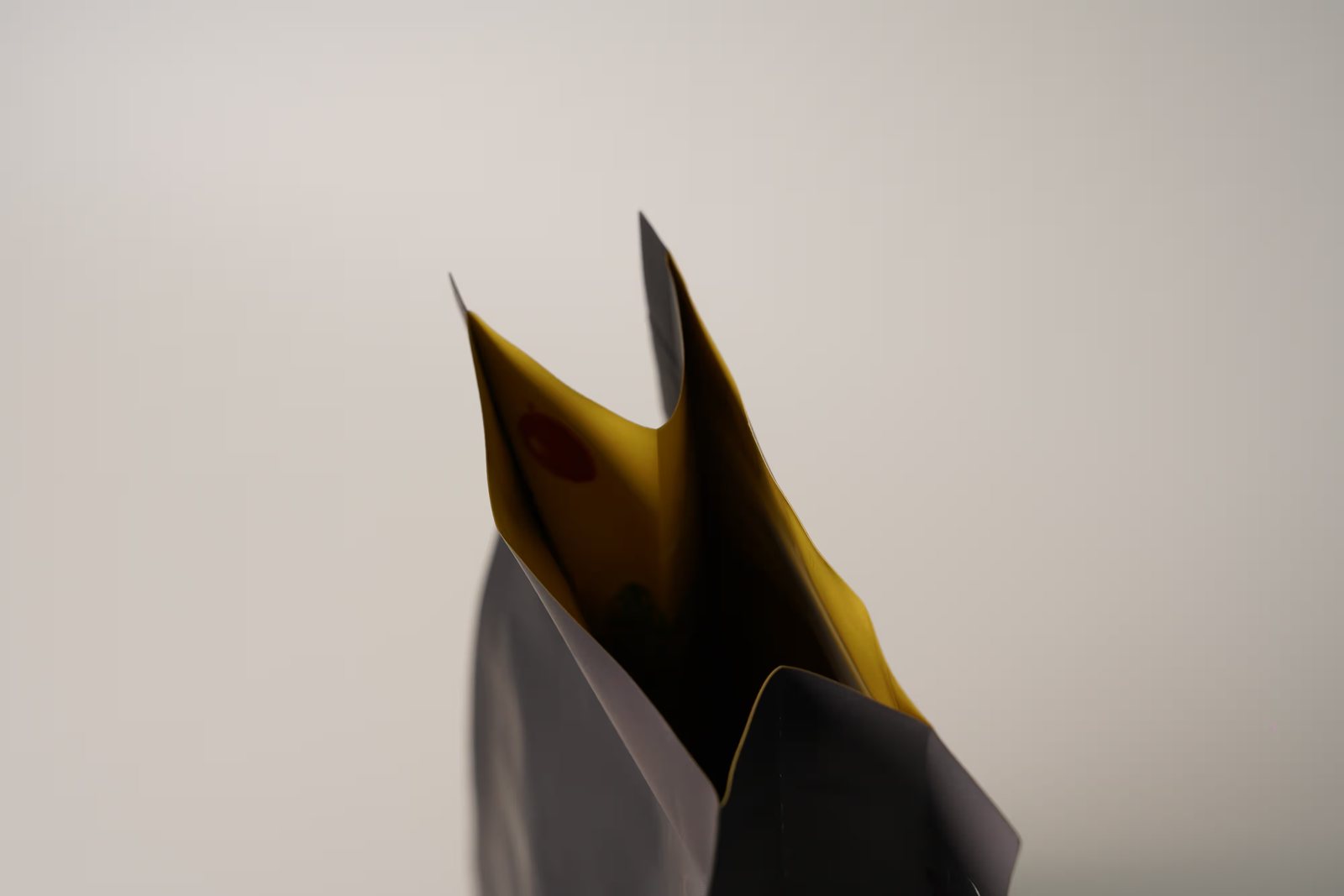
Flat Bottom or Side Gusset?
Two common coffee bag shapes compared: how they stand, what you can print and what they cost.

Recyclable or Compostable?
The two words describe different ends for a bag. What each one means for coffee.
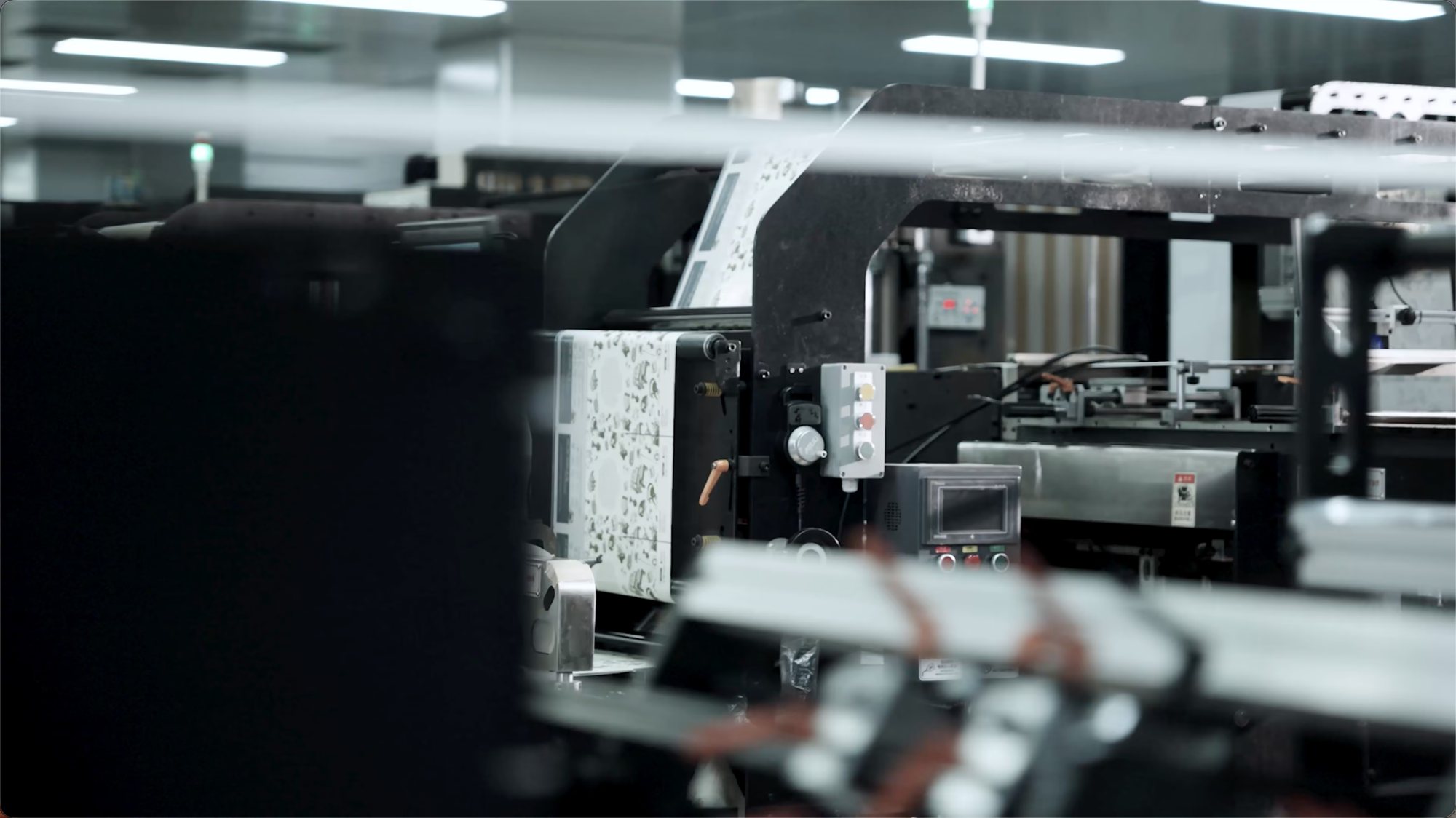
Digital or Rotogravure Printing?
Two printing methods, chosen mainly by quantity. Where each one makes sense.
Tell us about
your coffee bag
Send us the bag style, size and quantity you have in mind. We will help you with material and printing options and prepare a quotation.